 Skip to content
Why Your Bags Don’t Get Reused: The Selection Mistakes You Are Making
Branded bags usually don’t get reused because they’re selected without fully considering how people will actually carry, load, and reuse them in everyday life. While many bags look suitable at the point of distribution, issues like poor comfort, limited capacity, weak materials, or the wrong bag type only become obvious later. For organisations ordering bags in volume, these early selection mistakes are what determine whether a bag becomes a long-term brand asset or a one-off giveaway.
In this guide, our experts explain why bags often disappear after first use and how experienced organisations make smarter choices that improve reuse, value, and long-term brand visibility.
Why does reuse matter so much for branded bags?
Bags only deliver value when they’re used repeatedly. Every time a bag is carried, it creates visibility. When it isn’t, the brand investment effectively stops working.
What happens when bags aren’t reused?
| Outcome | Impact on organisations |
| Used once | Very limited brand exposure |
| Stored away | Missed return on spend |
| Breaks early | Negative brand association |
| Feels awkward | Low chance of repeat use |
The Core Problem
Most bags are approved based on how they look on delivery day. But procurement officers forget that how they behave once your recipient fills them with objects is also crucial. Common gaps we see include:
- Bags tested empty, not under load
- Comfort was assessed briefly, not over time.
- Materials judged visually, not structurally.
Mistake #1: choosing the wrong bag type for real use
One of the biggest reasons bags don’t get reused is that the bag type doesn’t match how people actually live or move.
Where bag type mismatches occur
| Bag type | Where it works well | Why reuse often drops |
| Drawstring bags | Lightweight events | Uncomfortable when loaded |
| Bum bags | Festivals, activations | Limited everyday storage |
| Satchels | Conferences, education | Strap fatigue over time |
| Duffle bags | Sport, travel | Cheap zips and seams fail |
| Cooler bags | Food, outdoor events | Poor insulation reduces usefulness |
| Garment bags | Corporate travel | Thin materials tear easily |
Mistake #2: underestimating weight and load stress
Many bags are selected solely by size, without considering what people will actually put inside them.
For example:
- Custom drink bottles
- Customised clothing and uniforms
- Laptops or tablets
- Food and groceries
Load stress and its effect on reuse
| Bag feature | What fails under load |
| Thin fabric | Corner and base tearing |
| Weak stitching | Seam failure |
| Low-quality straps | Stretching or snapping |
| Plastic clips | Cracking over time |
Mistake #3: treating bag fabrics as interchangeable
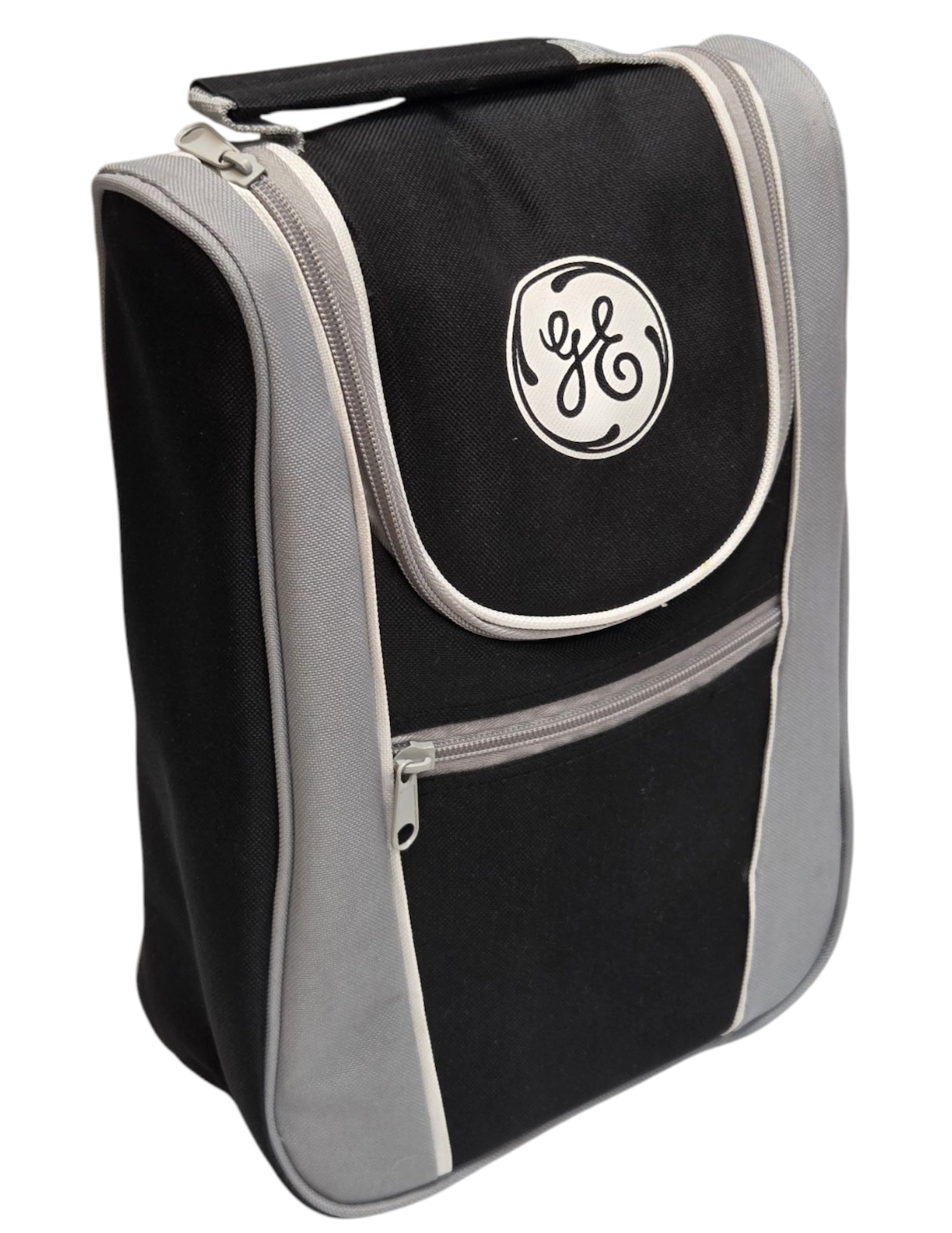
Not all bag fabrics perform the same, even when they look similar. Fabric choice determines whether your bag of choice keeps its shape and survives regular use.
Fabric characteristics that influence bag lifespan
| Fabric factor | Why it matters |
| Weave density | Tear resistance |
| Coating quality | Cracking and peeling |
| Stitch compatibility | Seam durability |
| Abrasion tolerance | Wear at corners and base |
In New Zealand, where bags are often reused for commuting, sport, and outdoor activities, durability usually matters more than softness.
Mistake #4: ignoring how the bag is carried
Comfort plays a much larger role in reuse than many organisations expect.
We often see bags fail because:
- Straps dig into shoulders.
- Bags swing awkwardly when walking.
- Carry options are too limited.
Carry method vs likelihood of reuse.
| Carry style | Typical reuse outcome |
| Padded shoulder straps | High reuse |
| Adjustable straps | Better fit across users |
| Thin cords | Low reuse |
| Fixed-length straps | Limited versatility |
Mistake #5: choosing size without thinking about versatility
Bags are more likely to be reused when they fit into multiple everyday scenarios. For example:
- Very small bags become redundant quickly.
- Oversized bags are used occasionally, not daily.
- Medium, adaptable bags see the most reuse.
Bag size and reuse patterns
| Size profile | Reuse behaviour |
| Small, rigid | Low reuse |
| Large, bulky | Occasional use |
| Medium, flexible | Frequent reuse |
| Expandable capacity | Higher long-term value |
The hidden cost of poor bag selection
| Issue | Long-term impact |
| Low reuse | Missed brand impressions |
| Early wear | Replacement orders |
| Poor comfort | Bags discarded |
| Limited versatility | One-time use only |
How experienced organisations choose bags that get reused
Rather than asking “Which bag is cheapest?”, experienced teams ask more practical questions early:
- What will people realistically carry in this bag?
- How will it feel once it’s loaded?
- Will it still be useful six months from now?
- Does it suit everyday NZ lifestyles?
- Would someone choose to carry this again?
Final thoughts
Bags rarely fail because early selection decisions didn’t account for real use, real weight, and real behaviour. For organisations ordering bags in volume, choosing with reuse in mind is what turns a branded bag into a lasting touchpoint rather than a forgotten item.


