 Skip to content
The Most Ordered Custom Merchandise in New Zealand (2025 Insights)
Custom merchandise is no longer just about throwing your logo on a pen and hoping someone remembers you. Across New Zealand, businesses, schools, sports clubs, and events are getting smarter about what they order — and the numbers show it.
In 2025, the most ordered merchandise items tell a story about how Kiwis use promotional products: they want value, everyday utility, and a touch of sustainability. Whether it’s corporates in Auckland, rugby clubs in Hamilton, or community fundraisers in Dunedin, the choices are remarkably consistent.
So, what’s actually being ordered the most in New Zealand right now? Let’s dig in.
1. Branded Drink Bottles – Still the Champion
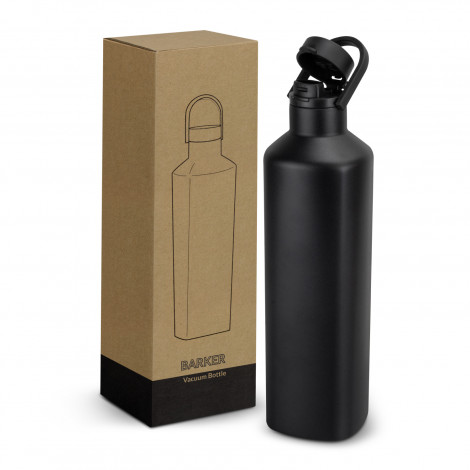
If there’s one product that dominates NZ merchandise orders, it’s the humble drink bottle. From custom stainless steel bottles in Wellington offices to BPA-free sports bottles at Christchurch gyms, they’re everywhere.
Why custom drink bottles are so popular?
- Kiwi outdoor lifestyle: People are constantly hiking, cycling, or heading to the beach. A reusable drink bottle fits seamlessly into daily life.
- Eco-friendly image: With NZ’s strong push towards sustainability, bottles replace single-use plastic.
- Long shelf life: Unlike cheap pens, bottles last months or years — meaning more impressions per dollar.
Top locations:
- Auckland corporates ordering branded bottles for onboarding packs.
- Rotorua tourism operators are including eco bottles in adventure packages.
- Secondary schools in Christchurch are using custom bottles as part of sports team gear.
2. Custom Apparel – Hoodies, T-Shirts, and Caps
New Zealanders love apparel. From school leavers’ hoodies in Hamilton to company polo shirts in Tauranga, clothing consistently ranks among the top orders.
What stands out in 2025 is the move toward quality over quantity. Instead of buying the cheapest t-shirt, more businesses are investing in heavier cotton, embroidery, and sustainable fabrics.
Popular choices include:
- Hoodies for school groups, leavers, and sports teams.
- Polos and tees for tradies and event staff.
- Caps and beanies for fundraisers and giveaways.
Examples:
- Dunedin University clubs are ordering custom hoodies in bulk.
- Christchurch construction firms are providing branded hi-vis vests.
- Auckland tech startups gifting embroidered caps at product launches.
3. Tote Bags – The Rise of Reusable
With plastic bag bans firmly in place, tote bags have become one of the fastest-growing merchandise categories. Businesses from Wellington cafés to Nelson farmers’ markets are ordering branded totes because they serve as walking billboards.
Why tote bags?
- Eco appeal: They align with New Zealand’s sustainability values.
- High visibility: Used in supermarkets, libraries, and offices.
- Cost-effective: One of the most affordable ways to increase brand awareness.
Top uses:
- Wellington book festivals are handing out totes with event logos.
- Christchurch retailers are replacing plastic bags with custom cotton totes.
- Queenstown wineries offering branded tote bags for cellar door purchases.
4. Stationery – Pens Still Haven’t Died
Despite the digital age, branded pens remain among the most ordered items. The reason is simple: they’re cheap, they travel, and they’re useful. In 2025, pens are often ordered in bulk for conferences in Auckland, council events in Whangārei, and university open days.
But pens aren’t the only stationery item doing well:
- Notebooks with custom covers are experiencing a surge in popularity, particularly for corporate workshops.
- Sticky notes and branded planners are being used for employee packs.
NZ locations ordering big volumes:
- Government departments in Wellington stock events with branded pens.
- Schools in Napier are ordering notebooks for prize packs.
- Auckland real estate firms are leaving branded pens at open homes.
5. Tech Accessories – A Growing Favourite
Tech giveaways have surged in the past two years. Branded power banks, branded USBs, and wireless chargers are climbing the “most ordered” list.
Why the rise?
- Remote work culture in Auckland and Wellington.
- High perceived value — people don’t discard useful technology.
- Works well for B2B gifting.
Examples from 2025:
- Christchurch IT firms are gifting branded wireless chargers to clients.
- Auckland events, including power banks in VIP show bags.
- Hamilton schools are distributing USB drives pre-loaded with resources.
6. Custom Drinkware Beyond Bottles – Coffee Cups & Mugs
New Zealand’s café culture is legendary, and it’s showing up in merchandise orders. Reusable coffee cups and ceramic mugs are being ordered in bulk, especially by offices in Wellington (the flat white capital).
Why they’re popular:
- Reusable factor: Replaces disposable cups.
- Daily use: Sits on a customer’s desk, reinforcing your brand.
- Affordable but long-lasting.
7. Event Merch
Event giveaways remain a staple across concerts, food festivals, and corporate events in New Zealand.
Some of the orders we’ve received so far are:
- Custom lanyards for conferences in Wellington.
- Silicone wristbands for charity runs in Christchurch.
- Pin badges for fundraisers in Hamilton.
Key Takeaways From 2025 Orders
Looking at the data, a few insights stand out:
- Utility beats novelty. Kiwis prefer practical items they’ll actually use (bottles, apparel, totes).
- Sustainability drives choice. Eco-friendly materials are now the standard, not an option.
- Local relevance matters. Rugby clubs, schools, and fundraisers all order differently — but the top products overlap.
- Quality pays off. More businesses are choosing fewer, better items instead of mountains of cheap giveaways.
Final Word
The most ordered custom merchandise in New Zealand in 2025 reflects the country itself: practical, outdoorsy, and increasingly eco-conscious. From tote bags in Nelson to hoodies in Dunedin, the trend is clear — Kiwis want products that add value to everyday life.
For businesses, the lesson is simple: don’t waste budget on throwaways. Invest in items your audience will actually keep, use, and associate with your brand. That’s how you turn merchandise from clutter into long-term marketing impact.
Custom merchandise is no longer just about throwing your logo on a pen and hoping someone remembers you. Across New Zealand, businesses, schools, sports clubs, and events are getting smarter about what they order — and the numbers show it.
In 2025, the most ordered merchandise items tell a story about how Kiwis use promotional products: they want value, everyday utility, and a touch of sustainability. Whether it’s corporates in Auckland, rugby clubs in Hamilton, or community fundraisers in Dunedin, the choices are remarkably consistent.
So, what’s actually being ordered the most in New Zealand right now? Let’s dig in.
1. Branded Drink Bottles – Still the Champion
If there’s one product that dominates NZ merchandise orders, it’s the humble drink bottle. From stainless steel bottles in Wellington offices to BPA-free sports bottles at Christchurch gyms, they’re everywhere.
Why is it so popular?
- Kiwi outdoor lifestyle: People are constantly hiking, cycling, or heading to the beach. A reusable drink bottle fits seamlessly into daily life.
- Eco-friendly image: With NZ’s strong push towards sustainability, bottles replace single-use plastic.
- Long shelf life: Unlike cheap pens, bottles last months or years — meaning more impressions per dollar.
Top locations:
- Auckland corporates ordering branded bottles for onboarding packs.
- Rotorua tourism operators are including eco bottles in adventure packages.
- Secondary schools in Christchurch are using custom bottles as part of sports team gear.
2. Custom Apparel – Hoodies, T-Shirts, and Caps
New Zealanders love apparel. From school leavers’ hoodies in Hamilton to company polo shirts in Tauranga, clothing consistently ranks among the top orders.
What stands out in 2025 is the move toward quality over quantity. Instead of buying the cheapest t-shirt, more businesses are investing in heavier cotton, embroidery, and sustainable fabrics.
Popular choices include:
- Hoodies for school groups, leavers, and sports teams.
- Polos and tees for tradies and event staff.
- Caps and beanies for fundraisers and giveaways.
Examples:
- Dunedin University clubs are ordering custom hoodies in bulk.
- Christchurch construction firms are providing branded hi-vis vests.
- Auckland tech startups gifting embroidered caps at product launches.
3. Tote Bags – The Rise of Reusable
With plastic bag bans firmly in place, tote bags have become one of the fastest-growing merchandise categories. Businesses from Wellington cafés to Nelson farmers’ markets are ordering branded totes because they serve as walking billboards.
Why tote bags?
- Eco appeal: They align with New Zealand’s sustainability values.
- High visibility: Used in supermarkets, libraries, and offices.
- Cost-effective: One of the most affordable ways to increase brand awareness.
Top uses:
- Wellington book festivals are handing out totes with event logos.
- Christchurch retailers are replacing plastic bags with custom cotton totes.
- Queenstown wineries offering branded tote bags for cellar door purchases.
4. Stationery – Pens Still Haven’t Died
Despite the digital age, pens remain among the most ordered items. The reason is simple: they’re cheap, they travel, and they’re useful. In 2025, pens are often ordered in bulk for conferences in Auckland, council events in Whangārei, and university open days.
But pens aren’t the only stationery item doing well:
- Notebooks with custom covers are experiencing a surge in popularity, particularly for corporate workshops.
- Sticky notes and branded planners are being used for employee packs.
NZ locations ordering big volumes:
- Government departments in Wellington stock events with branded pens.
- Schools in Napier are ordering notebooks for prize packs.
- Auckland real estate firms are leaving branded pens at open homes.
5. Tech Accessories – A Growing Favourite
Tech giveaways have surged in the past two years. Power banks, branded USBs, and wireless chargers are climbing the “most ordered” list.
Why the rise?
- Remote work culture in Auckland and Wellington.
- High perceived value — people don’t discard useful technology.
- Works well for B2B gifting.
Examples from 2025:
- Christchurch IT firms are gifting branded wireless chargers to clients.
- Auckland events, including power banks in VIP show bags.
- Hamilton schools are distributing USB drives pre-loaded with resources.
6. Custom Drinkware Beyond Bottles – Coffee Cups & Mugs
New Zealand’s café culture is legendary, and it’s showing up in merchandise orders. Reusable coffee cups and ceramic mugs are being ordered in bulk, especially by offices in Wellington (the flat white capital).
Why they’re popular:
- Reusable factor: Replaces disposable cups.
- Daily use: Sits on a customer’s desk, reinforcing your brand.
- Affordable but long-lasting.
7. Event Merch
Event giveaways remain a staple across concerts, food festivals, and corporate events in New Zealand.
Some of the orders we’ve received so far are:
- Custom lanyards for conferences in Wellington.
- Silicone wristbands for charity runs in Christchurch.
- Pin badges for fundraisers in Hamilton.
Key Takeaways From 2025 Orders
Looking at the data, a few insights stand out:
- Utility beats novelty. Kiwis prefer practical items they’ll actually use (bottles, apparel, totes).
- Sustainability drives choice. Eco-friendly materials are now the standard, not an option.
- Local relevance matters. Rugby clubs, schools, and fundraisers all order differently — but the top products overlap.
- Quality pays off. More businesses are choosing fewer, better items instead of mountains of cheap giveaways.
Final Word
The most ordered custom merchandise in New Zealand in 2025 reflects the country itself: practical, outdoorsy, and increasingly eco-conscious. From tote bags in Nelson to hoodies in Dunedin, the trend is clear — Kiwis want products that add value to everyday life.
For businesses, the lesson is simple: don’t waste budget on throwaways. Invest in items your audience will actually keep, use, and associate with your brand. That’s how you turn merchandise from clutter into long-term marketing impact.


