 Skip to content
Embroidered Hats: Blending Art and Apparel
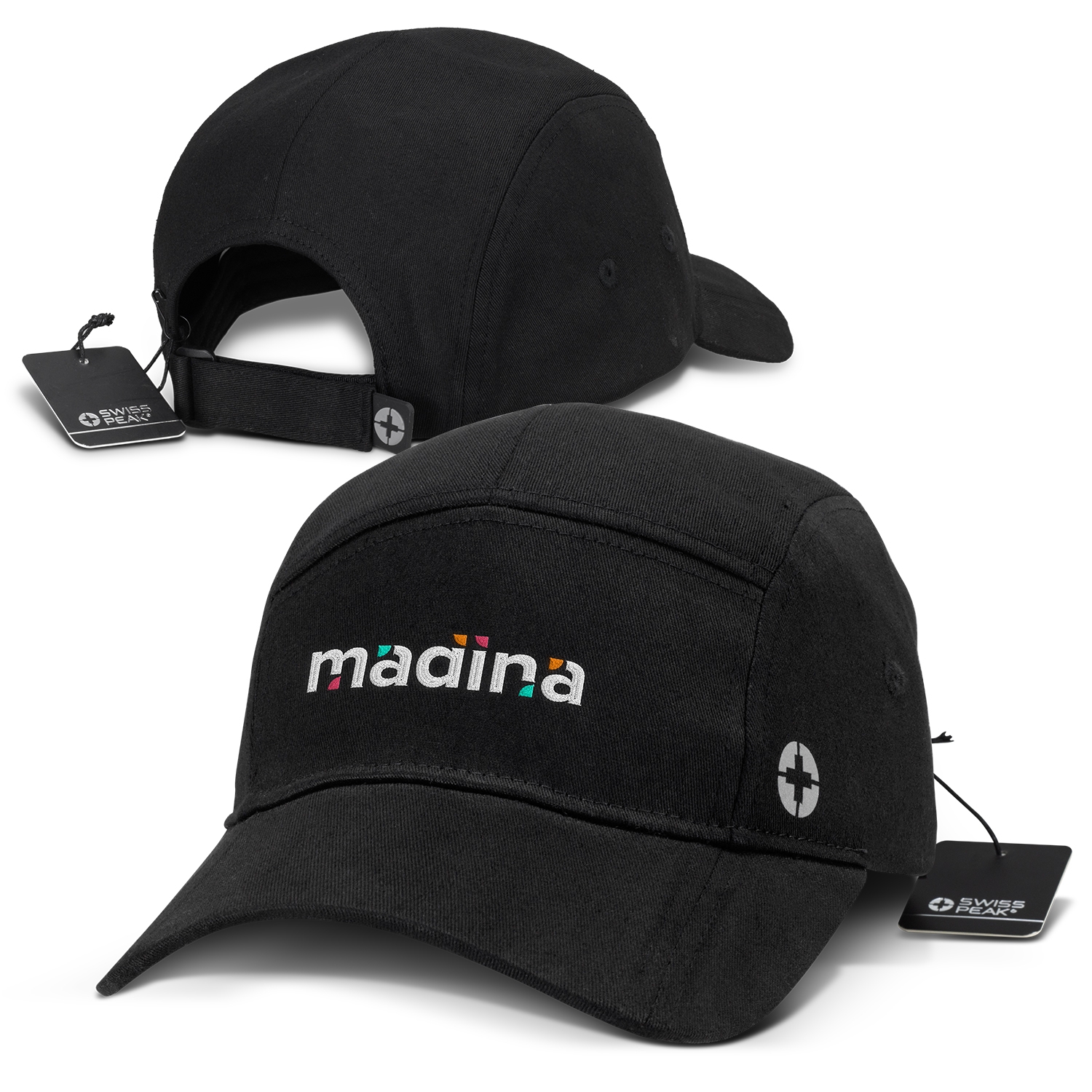
Embroidery on hats is an age-old craft that has evolved from simple thread work to complex designs that tell a story or symbolize cultural identity. Today, embroidered hats are not just protective headwear; they are canvases for artistic expression and a popular promotional product. In this blog, we delve into the intricate world of embroidered hats, featuring insights from designers who specialize in this beautiful art form. We’ll explore how these hats are crafted and the unique stories they tell through their designs.
The Art of Embroidery on Hats
Embroidery is the craft of decorating fabric using a needle and thread or yarn. On hats, embroidery adds dimension, texture, and personality. Unlike other forms of hat decoration, embroidery is tactile and richly detailed, offering a level of depth that print cannot match. The process involves careful planning and execution, often starting with a sketch before moving on to digital design and, finally, meticulous hand-guided stitching.
Using Embroidered Hats for Brand Marketing
Embroidered hats not only serve as personal fashion statements but also excel as tools for marketing your company. Here’s how businesses can harness the power of these stylish accessories:
-
Brand Visibility: Embroidered hats are worn on the head, naturally drawing attention to the wearer’s face and, by extension, the logo or brand message embroidered on the cap. This makes them excellent for increasing brand visibility in public spaces.
-
Perceived Value: Due to their bespoke nature and the craftsmanship involved, embroidered hats are often viewed as high-value items. This perceived value can elevate a brand’s image, distinguishing it from competitors that may opt for less durable print materials.
-
Longevity: Unlike printed items, the embroidery on hats is incredibly durable, capable of withstanding elements like sun exposure and frequent washing without fading. This longevity means that your promotional item stays in circulation longer, continuously working for your brand.
-
Customisation Options: The versatility in design offered by embroidery allows brands to create unique promotional hats that truly stand out. Whether it’s a subtle logo on the side, a bold design across the front, or even personalized text, there’s ample room for creativity.
-
Employee Unity and Corporate Gifting: Custom embroidered hats are ideal for team events and corporate gifting. They can foster a sense of unity and pride among employees while also serving as thoughtful, practical gifts that recipients are likely to use and appreciate.
Integrating custom embroidered hats into your marketing strategy not only promotes your brand but also aligns it with quality and attention to detail, enhancing your corporate identity in the eyes of both your customers and your staff.
Crafting the Hats
Creating an embroidered hat is a labor of love that involves several stages:
-
Design Conceptualization: Artists sketch their visions, often drawing from personal experiences or cultural backgrounds.
-
Digitization: The design is then digitized, translating the sketch into a format suitable for embroidery machines.
-
Material Selection: Choosing the right fabric and threads is crucial as it impacts the durability and appearance of the embroidery.
-
Embroidery: The digitized design is loaded into an embroidery machine, where needles and threads work their magic. For particularly intricate designs, some artists prefer to embroider by hand.
-
Finishing Touches: Once the embroidery is complete, the hat is cleaned and finished, ready to make its way to a proud owner.
Why Choose Embroidered Hats
For consumers, choosing an embroidered hat is a way to wear art on a daily basis. These hats are not just fashion statements but are personal expressions of identity, beliefs, or affiliations. Moreover, embroidered hats are typically more durable than printed ones, meaning that the art and the message they carry are preserved for a longer time.
Conclusion
Embroidered hats stand at the crossroads of art and apparel, showcasing how traditional techniques can be transformed into modern expressions of individuality and culture. They remind us that even the most everyday items can be infused with meaning and beauty.


