 Skip to content
Common Giveaway Mistakes at Public Events (and How to Avoid Them)
Public events are fast-paced. People walk by stands quickly, their attention is short, and giveaways can be gone in just a few hours. In my experience, most problems with giveaways aren’t about the products themselves, but about how they’re planned. Something might look great in a catalogue but still flop at an event. If you’re ordering promotional products in bulk for events in New Zealand, here are the mistakes I see most often and what tends to work better.

Choosing Products That Are Hard to Carry
This is a common issue at public events. People already have their hands full with phones, bags, food, or event materials. If your giveaway is bulky or awkward, many will just leave it behind. Giveaways should be easy to grab and carry right away.
- Lightweight items move faster.
- Compact products stay with attendees longer.
- Easy-to-carry giveaways reduce waste.
That’s why smaller items like tote bags, pens, or drink bottles usually do better than large novelty products.

Ordering Products With No Practical Use
A giveaway is only effective if people use it after the event. I’ve seen businesses spend a lot on items that catch the eye for a moment but get tossed before people even get home. The best event products usually solve a simple, everyday problem.
| Product Type | Typical Result at Events |
| Practical items | Higher retention |
| Novelty items | Short-term attention |
| Low-quality products | Discarded quickly |
| Reusable products | Longer brand exposure |
The more useful the product feels, the longer your branding stays visible.

Focusing Too Much on Quantity
Many event teams believe that giving away more items means better results, but that’s not always the case. Sometimes, handing out fewer but better products leads to stronger engagement than giving away thousands of cheap items. Not everything has to be high-end, but the product should feel worth keeping. I usually suggest balancing quantity with usefulness instead of just focusing on numbers.
Ignoring the Event Environment
Different events call for different products. What works at an outdoor community event might not work at a business expo or university orientation. For example, outdoor events in New Zealand often need items people can use right away, especially in the warmer months.
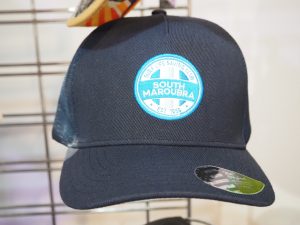
- Branded caps work well in outdoor settings.
- Drink bottles perform strongly at active events.
- Tote bags help attendees carry materials.
Matching the giveaway to the environment improves uptake straight away.
Poor Branding Placement
Sometimes the product is good, but the branding lets it down. Big logos, bad placement, or messy designs can make items look cheap or rushed. At events, people decide fast if they want to keep something. Simple, clean branding usually works better than trying to fill every space.
Running Out Too Early
This happens more often than you might think. Some businesses give out products too quickly at the start and run out before the event ends. Once you’re out, you lose visibility. I usually suggest spreading out the giveaways over the whole event instead of handing everything out right away.
| Distribution Approach | Common Outcome |
| Full early release | Stock runs out quickly |
| Controlled release | More consistent engagement |
| Reserved stock | Better coverage across event hours |
Choosing Products That Don’t Match the Audience
Not every giveaway suits every audience. Something that works at a student event might not work at a corporate expo. The best results come from picking products that fit the people attending. If attendees can picture themselves using the item right away, more of them will take it. That’s why matching the product to the audience matters more than just following trends.
Underestimating Setup and Logistics
Ordering in bulk for events is about more than just picking products. Storage, transport, and setup all play a part in how smoothly things go. Some items look good at first but end up being a hassle because they take up too much space or are hard to move. That’s one reason why compact products keep working well at public events.
What Usually Works Best
From what I’ve seen across public events in New Zealand, the strongest giveaway products tend to share a few things in common. They are practical, easy to carry, and simple to distribute.
- Printed jute tote bags
- Pens
- Custom Drink bottles
- Lanyards
- Reusable everyday items
How I Usually Guide Event Orders
When I help clients get ready for events, I care less about what looks exciting in a catalogue and more about what people will actually take home. The first questions I usually ask are:
- Who is attending?
- How long is the event running?
- Will attendees carry items all day?
Once you have those answers, it’s much easier to choose the right products.
Better Giveaways Usually Start With Simpler Decisions
The best event giveaways are usually simple. In my experience, products work best when they fit the event, suit the audience, and are easy to take home. A practical item with clean branding almost always beats something flashy that’s hard to use or throwaway. That’s why good planning is more important than trying to impress with quantity or novelty. If the giveaway fits naturally into the event, people are much more likely to keep using it after the day is over.


