 Skip to content
The Borrowed Brand Effect: How Shared Merchandise Extends Your Reach Without Extra Cost
The Borrowed Brand Effect occurs when customers, staff, or community members become walking, talking billboards for your business by simply using or wearing your branded merchandise.
Instead of you paying for every impression through ads, your brand “borrows” visibility in the spaces they move through — workplaces, gyms, supermarkets, festivals, even overseas travel. It’s marketing that keeps working long after you’ve handed over the product.
Why This Hits Different in New Zealand
New Zealand has a few quirks that make borrowed branding especially powerful:
- We notice each other. With just 5.2 million people, your brand doesn’t need to “shout” to be remembered. A hoodie spotted in Queenstown can spark curiosity that Google Ads can’t buy.
- We’re community-driven. From Whānau BBQs to rugby on Saturdays, people wear their merch in social settings where recommendations flow naturally.
- We value sustainability. Branded reusable cups, drink bottles, and totes aren’t just merch — they align with Kiwi values. A tote bag isn’t seen as “advertising” but as a badge of conscious choice.
- We love our events. Fieldays, Pasifika Festival, Rhythm & Vines — these are merch goldmines. A cap or water bottle doesn’t just survive the event; it becomes part of the summer kit.
How Borrowed Brands Multiply Your Reach
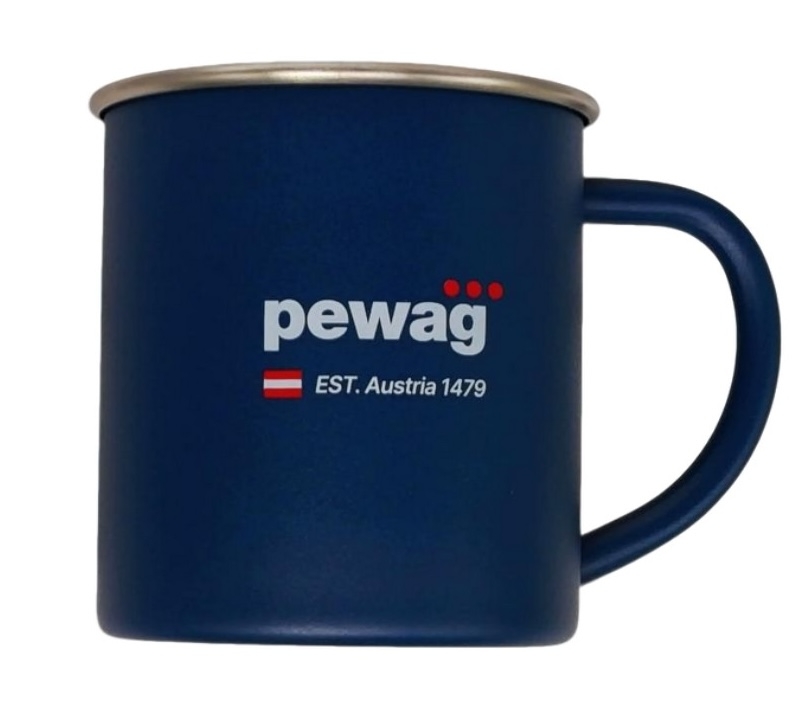
Think of merchandise as social media IRL: your message is reposted every time someone wears or uses it.
- One hoodie at Otago Uni = seen by hundreds across campus.
- One branded drink bottle at Les Mills = dozens of micro-impressions each gym session.
- One coffee keep cup at a Wellington co-working space = daily brand touchpoints with other businesses.
Also, unlike digital ads, you don’t have to pay for every impression. Once it’s out, it boosts your brand’s visibility wherever your recipient goes.
How To Maximise That Borrowed Brand Effect
We’ve helped businesses across New Zealand use this technique to their advantage. To achieve this, check out the steps:
1. Pick Merch That Gets Used
Don’t waste money on keyrings nobody touches. Instead:
- Eco bags (perfect for Pak’nSave runs)
- Coffee keep cups (we’re flat white obsessed)
- Custom beanies (hello, Dunedin winter)
- Water bottles (indispensable at festivals and tramps)
2. Design For Pride, Not Ads
Merch should be something people want to wear. Keep it simple, stylish, and fun. Branded hoodies that say “Coffee First, Always” with a subtle café logo? That gets worn.
3. Co-Brand With Other Locals
Team up with another Kiwi business:
- A Rotorua gym + smoothie bar = co-branded shaker bottles
- A craft brewery + food truck = joint festival cups
Shared costs, doubled reach.
4. Create a “Culture” Around It
Encourage sharing. Run a comp for the “farthest travelled tote bag” or repost customer photos of your merch on Instagram. People love being part of a story.
Why It’s Smarter Than Ads
The real kicker: merch doesn’t stop working when the budget does.
- A Facebook ad disappears once you stop paying.
- A tote bag lasts years, creating thousands of impressions for a one-off cost.
- And in NZ’s small, highly connected market, those impressions matter more.
It’s not just cost-effective marketing. It’s community marketing — a way to embed your brand into the everyday lives of real people.
Final Takeaway
When people use your merch, they’ll do your marketing for you. And in New Zealand, where visibility spreads fast and values like sustainability and community run deep, it’s one of the smartest ways to extend your reach without spending another cent on ads.
So next time you’re planning your marketing budget, ask yourself: what merch could my customers proudly borrow to carry my brand into the world?


